Are Futures Options? Simple Breakdown for New Traders
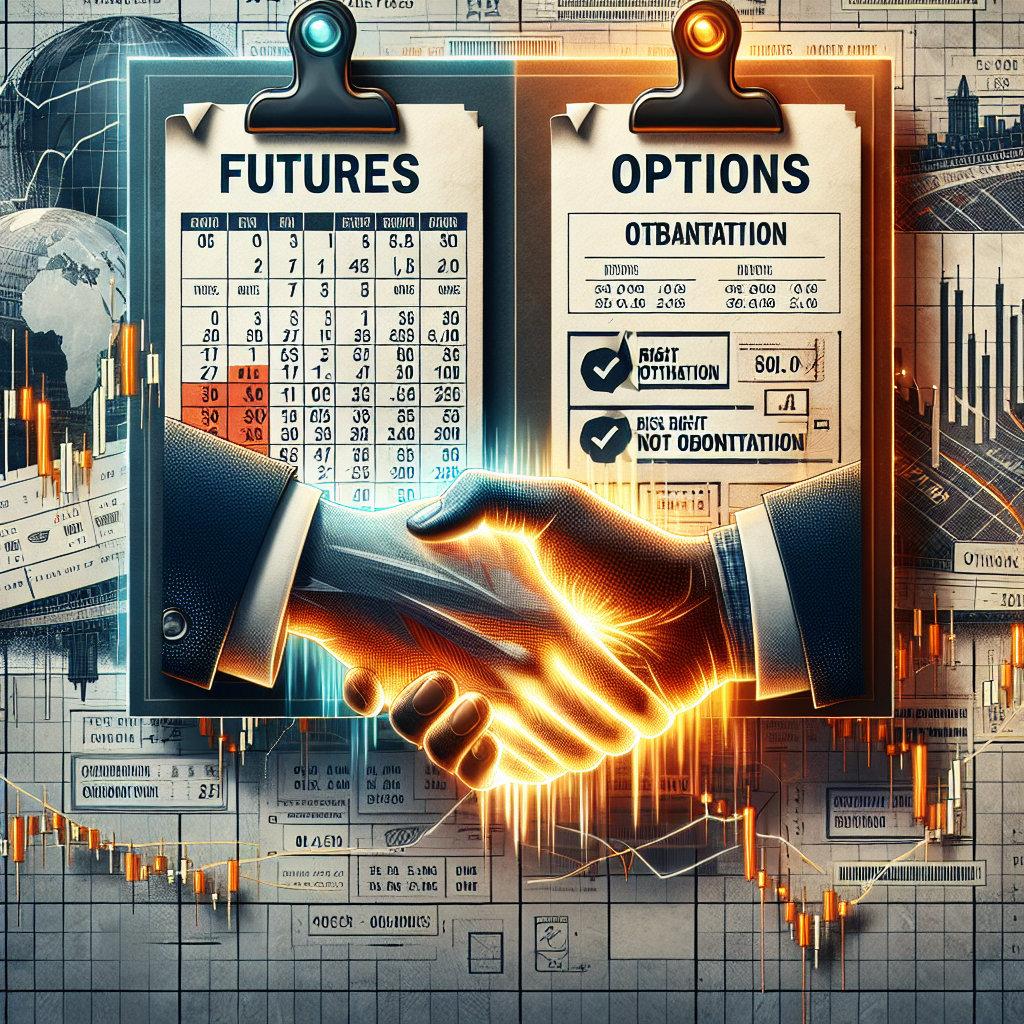
New traders often ask, are futures options the same thing or two different products? Futures and options are related derivatives, but they are not interchangeable, and mixing them up can lead to costly mistakes. If you are just getting started through a structured environment like this proprietary futures trading firm, understanding how each instrument behaves will shape your risk, your learning curve, and your long‑term consistency.
Derivatives can look intimidating at first because the terminology is unfamiliar and the contracts seem abstract compared with simply buying or selling shares of stock. Once you see how futures and options are constructed and why different traders use them, they become tools you can evaluate logically instead of mysteries to fear, as long as you slow down, learn the basic mechanics, and avoid trading any product you cannot clearly explain on paper.
Are Futures Options?
Many beginners hear the terms together and wonder, are these futures options combined in one product or separate choices? In reality they are two distinct contract types: futures are obligations to transact later, while options are rights tied to an underlying, and when you open your first chart or explore scalable funded accounts, you will see both listed side by side and must know which you are trading.
One way to picture the distinction is to think of a futures contract as a firm appointment at a specific time and price, while an option is more like a reservation that you can either use or walk away from. Both reference an underlying market, such as an equity index or crude oil, but the way they respond to price, time, and volatility can be very different.
Another practical difference is how brokers and trading programs treat these instruments. A futures position adjusts in real time with each tick in the underlying market, while an option’s value may change slower or faster than the underlying depending on factors like time decay and implied volatility.
What Are Futures in Trading?
Futures are standardized exchange‑traded contracts to buy or sell an underlying asset at a set price on a future date, marked to market daily so gains and losses flow through your account as price moves.
Most major futures contracts trade nearly around the clock during the business week, which offers flexibility for people in different time zones or with nontraditional work schedules. Exchanges define specifications for each contract, including tick size, contract months, and last trading day, so serious traders review these details and track upcoming roll dates or changes in margin requirements.
Because position sizes can be adjusted by trading micro, mini, or full‑size contracts, futures let you scale exposure as your account and confidence grow. A newer trader might begin with micro index futures to keep dollar swings small, then gradually step up only after documenting consistent performance.
What Are Options in Trading?
Options are contracts that give you the right, but not the obligation, to buy or sell an underlying at a set price before or at expiration, with calls controlling the right to buy and puts the right to sell.
Futures vs Options: Risk, Leverage, and Control
Once you understand definitions, the practical question becomes, are futures better for controlling risk, or does one offer clearer leverage than the other. When you evaluate what to trade, especially if you are working through performance‑based funded accounts, it helps to compare how futures and options differ in obligation, leverage, and day‑to‑day management.
New traders quickly realize that risk is not just how much they can lose on a single trade, but also how their positions behave during fast markets, overnight gaps, or extended losing streaks. Because funded programs track consistency as well as raw profits, understanding how each product amplifies or smooths your equity curve can influence which instrument fits your personality, schedule, and rules.
Options vs Futures Contracts
A futures contract is an obligation to buy or sell later, while an option is a right without obligation, so futures give direct one‑for‑one exposure and options give contingent exposure.
Traders use futures for straightforward directional trades or hedging, and options for defined‑risk bets, income, volatility trades, or overlays on futures positions to fine‑tune exposure.
How Leverage Works in Futures Trading
Futures use margin so you control a large notional value with relatively little capital, which magnifies both gains and losses on small price moves.
Initial margin and maintenance margin act as safeguards, but they are not maximum loss caps, and if your account falls below maintenance requirements you can receive a margin call or have positions reduced automatically.

Risk Exposure and Loss Potential Compared
With long or short futures your theoretical risk is open‑ended in one direction, and your profit or loss tracks the contract almost linearly.
Options change the shape of risk: buyers face a maximum loss equal to the premium, sellers can face very large exposure, and spreads or other structures define both risk and reward within chosen ranges.
Control, Flexibility, and Trade Management Differences
Futures provide clear, direct exposure with fixed tick values, which simplifies projecting potential profit or loss and speeds intraday decisions.
Options allow more flexible structures for bullish, bearish, neutral, or volatility‑focused views, but they require managing time decay, volatility shifts, and non‑linear exposure.
Which is Safer for New Traders: Futures or Options?
New traders ask which product is safer and sometimes assume futures options protect you automatically, but safety depends more on education, rules, and discipline than on instrument choice. This matters even more if you trade under defined rule‑based profit objectives and drawdown limits, where breaking rules can end your evaluation.
For someone new, buying options can feel safer because the maximum loss is the premium, which is easy to visualize and emotionally accept. The tradeoff is that you can lose money even if you guess direction correctly if time decay or volatility shifts work against you.
Futures are conceptually simpler: if you are long and price rises you gain, and if price falls you lose, with transparent tick values and margin, which makes it easier to test and follow a rule‑based strategy. Regulated futures markets also offer centralized clearing, standardized specifications, and transparent volume, and major exchanges like CME Group publish contract details, margin requirements, and risk parameters on public contract specifications pages.
Options allow more nuanced positions, such as vertical spreads with capped risk, protective puts under futures or stock exposure, and covered calls against long holdings. Used carefully, these structures can shape drawdowns and income streams, but if you ignore assignment risk, margin impact, or correlation, you can build portfolios that behave unpredictably under stress.
Some traders assume buying options is always safer than trading futures, but overpaying for premium, trading illiquid contracts, or holding through unfavorable volatility shifts can grind an account down over time. Educational resources such as this overview of options basics and risks on Investopedia clarify why options require methodical planning.
If you trade under a rules‑based funding model, futures often match objective performance tracking because intraday PnL, drawdown, and risk metrics are simpler to measure. Ultimately, the safer choice for a new trader is the product you truly understand and can explain clearly, including how it behaves under stress.
You can test this understanding by writing out a few scenarios: what happens to your position if the market jumps 2 percent against you overnight, if volatility doubles, or if liquidity dries up briefly. If you cannot sketch how your futures or options position would respond in those cases, more study and simulation are usually better than increasing size or complexity.
How Do You Trade Futures?
Once you decide futures fit your goals, the next step is learning how to trade them in a structured way that protects your development capital. Many traders start with a demo, then move toward funded access through supported trading platforms and broker integrations instead of risking large personal funds, which lets skill and discipline grow before size.
Trading futures begins with choosing markets that suit your schedule, risk tolerance, and capital, such as equity index, micro index, currency, or popular commodity contracts. Each market has its own volatility, active hours, and news drivers, so you should focus on a small set whose rhythm and behavior you can learn deeply over time.
You then select a trading platform that provides stable connections, clear charts, and order types like bracket orders with predefined targets and stops; reviewing a curated list of preferred platforms for active futures traders can help narrow choices. Keeping the mechanical side simple reduces errors and mental load so you can focus on reading price behavior, executing your plan, and reviewing whether your edge is actually playing out.
Futures traders also monitor scheduled economic releases and key fundamental reports because these can produce sharp intraday moves. For example, energy traders track the weekly EIA petroleum status report around crude oil, and equity index traders watch central bank decisions, employment data, and inflation prints to avoid trading blindly into major volatility.
Over time, a futures trader builds a personal playbook: preferred sessions to trade, conditions to avoid, go‑to setups, and clear rules for standing aside. This written structure turns a constant stream of market noise into a small number of high‑quality opportunities, which is essential for staying focused and emotionally stable during both winning and losing periods.
Risk management in futures trading also includes planning for technology failures and distractions. Keeping backup internet options, setting alerts away from the screen, and defining a maximum number of trades per day are simple habits that prevent many avoidable mistakes.

Choosing the Right Path as a New Trader
Your first choice is whether to self‑fund a small account or pursue performance‑based funding, where you trade firm capital after passing an evaluation.
Next, match markets and style to your available time and temperament, deciding whether to trade intraday, swing, or a mix based on how you handle screen time and overnight gaps.
Common Mistakes New Traders Make
Many new futures traders use position sizes too large for their experience and mental resilience, which turns ordinary losing streaks into deep drawdowns.
Another frequent mistake is strategy hopping, where traders constantly change indicators or setups after a few losses, never collecting enough trades to evaluate performance or learn from patterns.
Building Confidence Before Going Live
Confidence in futures trading should come from data and process, not from isolated winning days or gut feel, so start on a simulator and record every trade with entry, exit, and rationale.
Use objective metrics such as win rate, average reward‑to‑risk, and largest drawdown to decide when to adjust size, and treat trading as a craft that rewards deliberate practice and review.
Final Words on Futures Trading for Beginners
Futures offer clear leverage and simple pricing, options add flexibility and non‑linear risk, and both reward traders who start small, learn contract specs, respect margin, and follow a written plan with patience so they can grow from curious beginners to consistently prepared market participants.
 Konnor T.J