Is Day Trading Gambling or Trading Futures Without a Plan?
Many beginners ask, is day trading gambling, or can it become a repeatable skill. The difference is structure, risk limits, and feedback. Start with education, then test rules in real markets. You can also compare your process using this proprietary futures trading firm as a benchmark. Treat each session like a controlled experiment, not entertainment.
Is Day Trading Gambling or a Skill You Can Build?
Use scalable funded accounts to practice execution with strict limits, clear daily loss caps, and defined evaluation rules. Skill grows when you repeat one setup, track it, and refuse impulsive trades.
How is Day Trading Different From Gambling?
Trading applies probability, position sizing, and tested edges; gambling depends on fixed odds and emotion.
Is Day Trading Similar to Gambling When You Have No Rules?
Yes, because random entries and oversized risk make results indistinguishable from chance and impulse.
Is Day Trading Gambling When You Have Drawdown Rules?
Less, because drawdown limits force survival, reduce tilt, and prevent spiraling after losses.
Why a Prop Firm Structure Changes Everything
Rules create guardrails and metrics that reveal whether your edge is real or imagined.
If you keep asking is day trading gambling, define your edge, one setup, one session, and one market. Futures have standardized specs and transparent margin frameworks from the CME Group. News can move contracts quickly, including energy releases from the EIA. Those conditions reward planning, not reflex.
How to Know if You're Trading or Gambling
Review your behavior using how this team is built as a template for accountability, standards, and process ownership. Audit your last 20 trades and write reasons in plain language.
If you wonder is day trading a gamble, start by checking whether you can explain each entry, exit, and invalidation. Traders describe triggers and risk; gamblers describe feelings, luck, and revenge.
Start with risk, because risk reveals intent faster than profits. If your stop changes after entry, you are reacting; if size swings wildly, you are chasing.
Then evaluate your process, not just PnL, because PnL can hide bad habits. Process means preparation, execution, and review, with one change at a time.
Watch your time horizon and expectations, because gambling seeks dopamine and trading seeks repeatability. If you need constant action, trade less and wait only for your setup.
Finally, review lifestyle fit, because fatigue and stress break rules. Protect sleep, reduce noise, plan breaks, and trade only when focused.

Why It’s Good to Trade With a Prop Firm
Use structured risk parameters so losses stay limited, violations are obvious, and discipline is enforced. Structure helps separate process from impulse and makes progress measurable.
Funded Futures Trading Accounts
They reduce personal capital risk while enforcing rules that keep outcomes tied to discipline, not adrenaline.
A prop structure can shorten feedback loops because every rule breach is recorded and addressed. It promotes fewer, higher quality trades and pushes consistency, since you focus on execution over excitement. For many traders, that structure is the practical difference between trading and gambling.
Choosing a Platform That Supports Rules
A stable platform reduces friction, supports consistent execution, and makes review easier. Use preferred trading platforms to align tools with rules, data, and order controls. Choose simplicity over novelty, because complexity invites mistakes.
Reliability Matters
Crashes, lag, and unclear order states increase errors and can turn planned risk into uncontrolled exposure.
Practical Rules That Reduce Gambling Behavior
Rules work only when they are simple, specific, and repeated without negotiation. Keep them visible during the session and review them after the close. Your goal is to make good decisions boring and automatic.
Define one setup and one trigger so you stop searching for action. Define one invalidation level so you stop widening risk after entry.
Trade a defined session window so fatigue and boredom do not dictate decisions. Stop trading after your limit so discipline becomes a habit.
Review screenshots and notes so mistakes become patterns you can fix. Change one variable at a time so improvements are measurable.

What a Repeatable Futures Plan Looks Like
A plan is a checklist you can follow under stress, not a motivational statement. It specifies market, session, setup, risk, and review, and it tells you when to do nothing. When the plan is clear, you stop asking is day trading a gamble and start tracking whether you executed.
Pick one contract and learn its rhythm, volatility, and catalysts. Use consistent times so your data is comparable.
Define entry triggers, invalidation, and profit taking in advance. Use bracket orders so decisions do not change mid trade.
Record results the same way every day and review weekly. If rules are followed, adjust only after enough samples.
Common Traps That Turn Trading Into Gambling
The fastest way to gamble is to trade for excitement instead of process. Avoid behaviors that amplify randomness and emotion. If you see these patterns, step back and reset.
Revenge trading replaces analysis with anger and urgency. Overtrading replaces selectivity with motion.
Moving stops replaces planning with hope. Doubling size replaces discipline with desperation.
Final Checklist Before You Trade
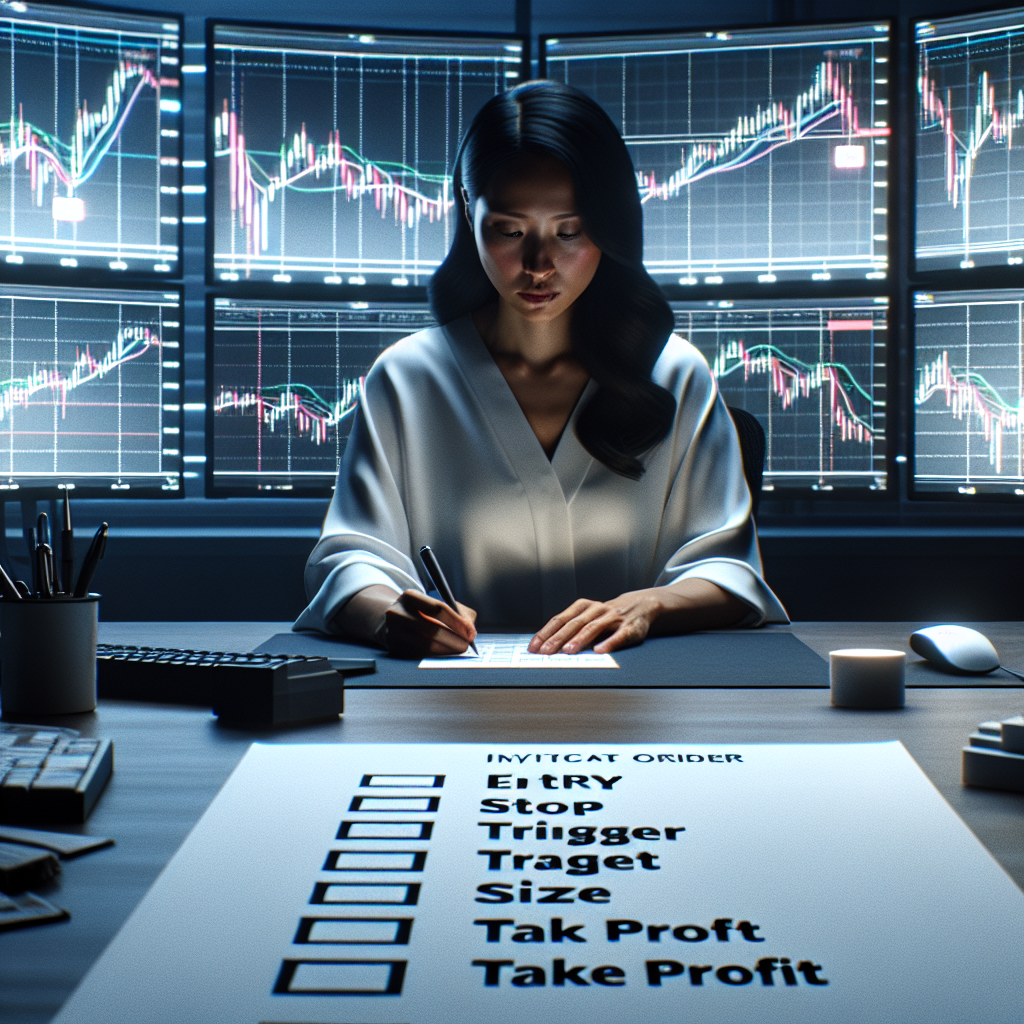
Before you place any order, confirm your setup, trigger, stop, target, and size, then confirm your daily loss limit. If any item is unclear, do not trade. When you follow a checklist and review it, day trading becomes a process, not gambling.
 Kim Tyson