What is Drawdown in Trading Futures? Is it Important?
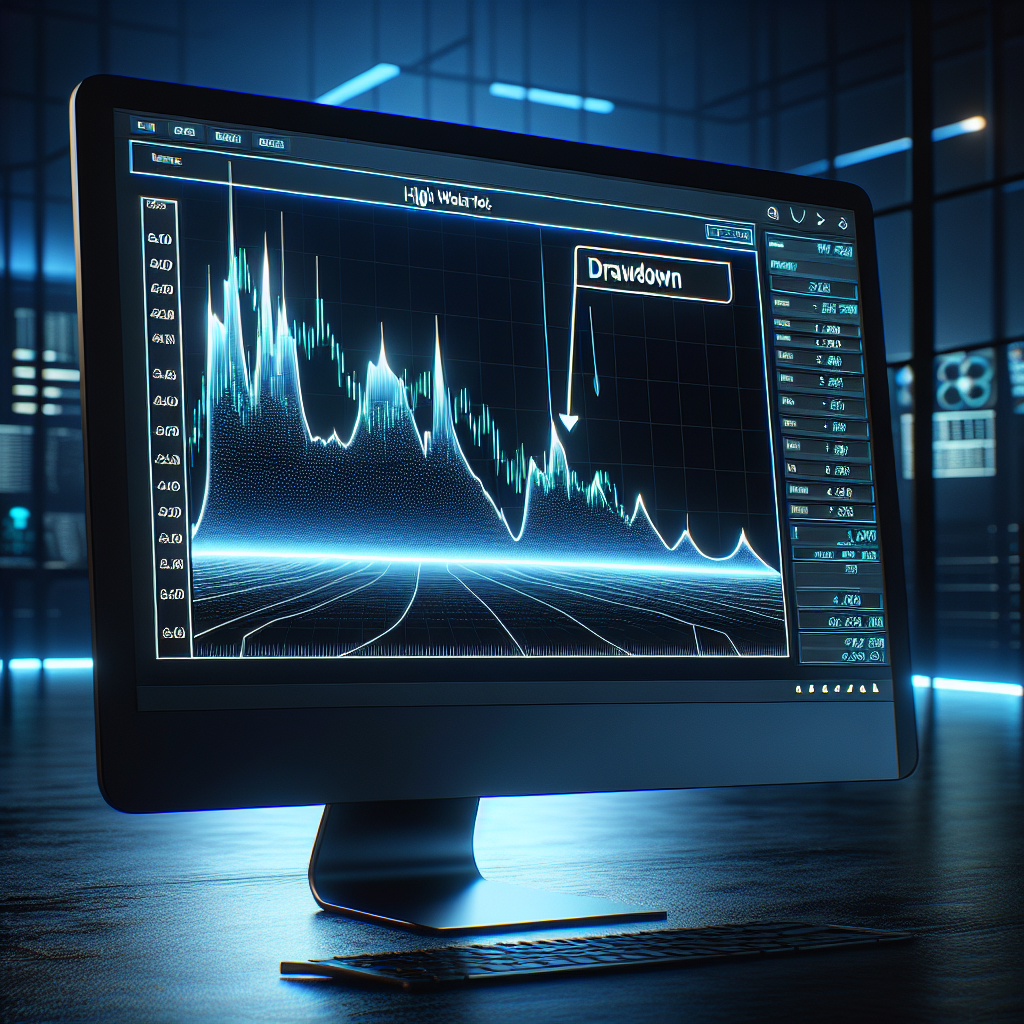
Welcome to a comprehensive guide exploring what is drawdown in trading and why it matters for your account. Whether you trade micro e-minis or standard agricultural contracts, understanding the way your account balance dips from its peak is essential for long-term survival. Managing these inevitable declines correctly can dictate your success as a professional participant in the global markets. Many successful individuals choose to utilize this proprietary futures trading firm to build their careers with adequate capital backing. Let us dive into the mechanics of account declines and risk metrics.
What is Drawdown in Trading?
When learning the ropes of the futures market, you must quickly grasp the fundamental concepts of capital preservation. Those who pursue scalable funded accounts realize that mitigating risk is just as crucial as finding profitable entries.
Why Drawdown Happens in Trading
Drawdown occurs naturally because no trading strategy possesses a one hundred percent win rate.
Why Every Futures Trader Eventually Experiences Drawdown
Even the most legendary institutional traders go through periods where their equity curve trends downward.
What is Maximum Drawdown? Why it Matters
Moving beyond the basic definition, we must look at the specific measurements used to evaluate system performance over time. Professionals adopting a clear trading approach rely on precise metrics to understand their worst-case historical scenarios.
Maximum Drawdown vs Normal Trading Losses
A standard trading loss is simply a single negative outcome on an individual position taken in the market.
How Traders Measure Maximum Drawdown Over Time
To accurately measure this metric, traders track their high water mark, which is the highest balance their account has ever reached.
Why Maximum Drawdown is One of the Most Important Risk Metrics
Investors and proprietary firms look at the largest historical dip to assess the true risk appetite of a trading system.
Understanding Trailing Drawdown in Futures Accounts
Proprietary trading companies implement specific rules to ensure their capital remains protected against erratic trading behavior. Developing structured risk parameters is the foundation of these evaluation programs, requiring participants to understand how trailing limits function.
How Intraday Trailing Drawdown Works
An intraday trailing limit adjusts your failure threshold in real-time as your open equity reaches new highs during the trading session.
Static Drawdown vs Trailing Drawdown
Static limits remain fixed at a specific dollar amount below your starting balance regardless of how much profit you accumulate.
What is EOD Trailing Drawdown?
End of Day, or EOD, trailing limits only calculate your highest account balance when the daily trading session officially closes.
Why Prop Firms Use Trailing Drawdown Rules
Firms implement these dynamic rules to filter out traders who lack consistency and rely entirely on getting lucky with massive positions.
What is a Drawdown Fund in Futures Trading?
Managing capital in professional environments often involves unique safety nets designed to keep traders operational during rough patches. Participants who utilize preferred trading platforms sometimes gain access to specific capital reserves to smooth out their equity curve.
How Drawdown Funding Helps Traders Recover from Losses
A drawdown fund acts as an emergency capital reserve that a firm or trader sets aside to absorb the impact of consecutive losses.
Drawdown Funding Programs
Certain specialized funding programs are structured entirely around managing the maximum allowable decline of their participants.
Risk Allocation in Prop Firm Accounts
Proprietary companies allocate risk by carefully assigning maximum loss limits that represent the firm's true exposure per trader.
What is ROMAD Return Over Maximum Drawdown?
Financial analysts use various formulas to determine the true value of a trading system compared to the risks it takes. According to Investopedia, ROMAD is a highly effective metric for evaluating portfolio performance. Let us explore how what is drawdown during trading relates directly to this vital calculation.
Why ROMAD is Used in Professional Trading Analytics
Return Over Maximum Drawdown is utilized by hedge funds to determine if the rewards of a strategy justify its absolute worst historical risk.
How Traders Use ROMAD to Evaluate Performance and Strategy
Retail and professional traders calculate this ratio by taking their total portfolio return and dividing it by their largest historical equity drop.
Why Lower Maximum Drawdown Improves ROMAD
The mathematics of the ROMAD formula dictate that keeping your largest equity drop as small as possible exponentially increases your overall score.
How Drawdown in Trading Affects Funded Futures Accounts
Successfully passing an evaluation is only the first step in a professional career. Once you secure capital, understanding what is drawdown during trading becomes your primary daily focus to ensure you keep your newfound funding active.
Why Drawdown Limits Protect Both Trader and Firm
Strict loss limits act as a mandatory circuit breaker that stops a trader from completely destroying a funded account during a psychological tilt.
Managing My Funded Futures Drawdown
Managing your allowable decline requires you to treat your buffer zone as your actual total account balance.
Risk Management Strategies to Control Drawdown
Preventing massive equity dips requires a concrete plan built on mathematical certainty rather than pure intuition. The investing brokers provides excellent resources on understanding margin, which directly ties into how you construct your defensive protocols. Knowing what is drawdown during trading dictates the protective strategies you must deploy.
Position Sizing to Reduce Drawdown in Trading
The absolute most effective way to flatten your worst losing streaks is to ruthlessly control the size of your open positions.
Strategy Discipline and Drawdown Control
Deviating from your tested strategy out of boredom or frustration is the leading cause of massive equity drops among retail traders.
Creating a Trading Plan That Protects Capital
A comprehensive trading plan must outline exact protocols for what happens when your equity curve drops by specific percentage intervals.
Final Words on Drawdown in Trading
Navigating the turbulent waters of the futures market requires a profound respect for capital preservation and risk metrics. Fully comprehending what is drawdown during trading empowers you to view your losing streaks objectively rather than reacting with pure emotion. Every single professional participant experiences valleys in their equity curve, but their survival depends entirely on how shallow they keep those dips. By utilizing strict position sizing, tracking your return over maximum decline, and respecting the limits of your funded accounts, you build a sustainable career path. You must treat your failure thresholds as hard boundaries that guide your daily strategy execution.

FAQs About Drawdown in Trading
Understanding the intricate details of account fluctuations can be challenging for newer market participants. We have compiled the most frequently asked questions to help clarify how these critical risk metrics function in live market environments. Reviewing these common inquiries will solidify your grasp of capital protection strategies and prepare you for the realities of proprietary evaluations. Equip yourself with this essential knowledge to navigate the futures markets safely.
How is maximum drawdown calculated?
This crucial metric is calculated by measuring the percentage drop from the highest historically recorded account balance down to the lowest subsequent trough.
How does intraday trailing drawdown work in prop firms?
Intraday trailing limits track your highest open floating equity during the live trading session in real-time.
How can traders reduce drawdown in trading futures?
Traders can actively reduce their account valleys by strictly risking no more than one percent of their total buffer on any single setup.
 Kim Tyson