How to Start Futures Trading: What You Need to Know
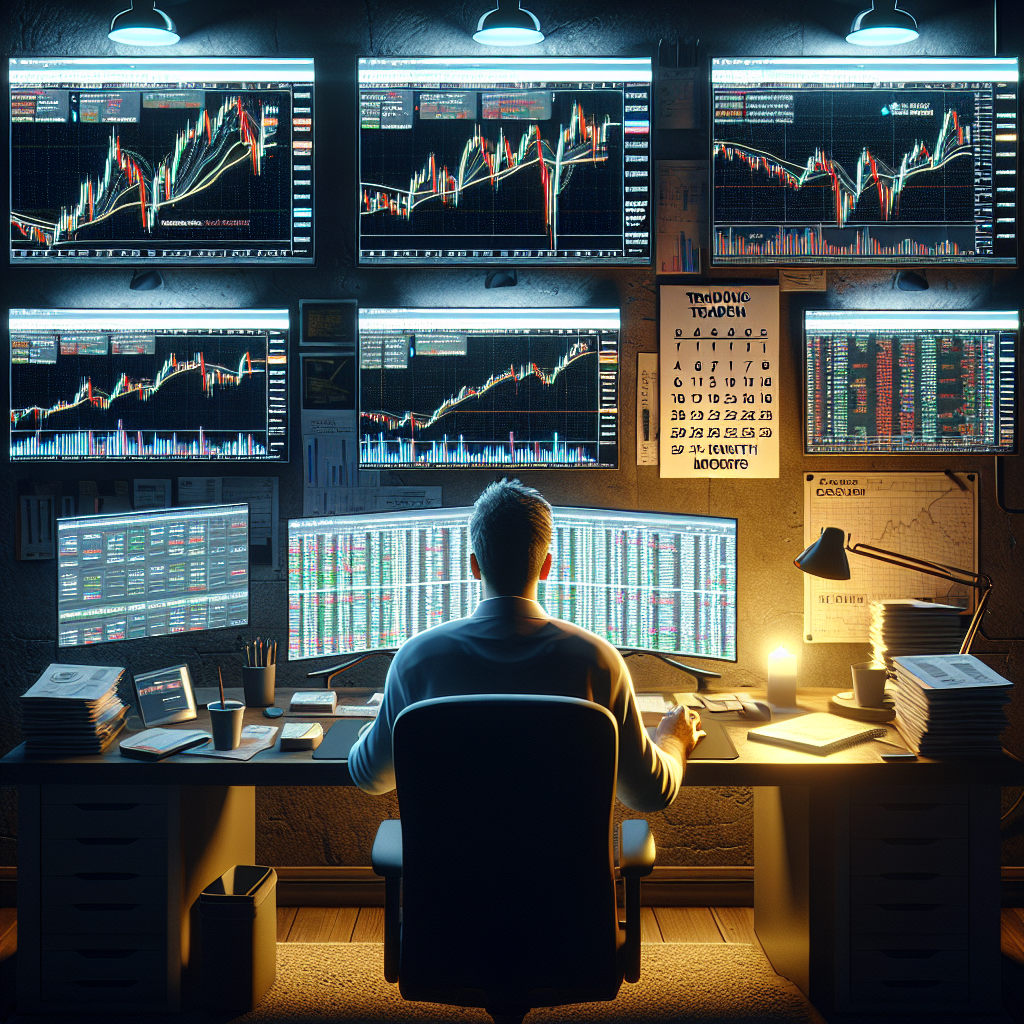
Learning how to start futures trading gets easier once you grasp how contracts, leverage, and risk rules work together. Whether you use your own capital or trade with this proprietary futures trading firm, the core steps are the same: understand futures, choose markets and tools, practice in simulation, then scale cautiously with strict risk control. Treat futures trading as a long term skill instead of a shortcut to fast profits, and give yourself time to build knowledge around products, margin, and trade management before you risk meaningful capital. Many new traders find it helpful to outline a simple roadmap for the first 6 to 12 months that includes specific topics to study, target screen time per week, and a rough timeline for moving from pure education to practice in a demo account. Seeing your progress as a series of small, deliberate milestones rather than a rush to make money can reduce pressure and prevent impulsive decisions.
What Are Futures in Trading?
When you trade futures, you agree today to buy or sell an asset at a set price on a future date, using margin to control a larger position than your cash balance, whether you access the markets through scalable funded accounts or a traditional broker. Futures exist on equity indexes, U.S. Treasuries, currencies, and commodities such as crude oil, gold, and agricultural products, so part of learning funded futures trading is choosing contracts whose volatility, liquidity, and hours fit your risk tolerance and schedule. The standardized structure of futures, along with centralized exchanges and clearing, creates a transparent environment where prices and volume are widely visible, which can make research and analysis more straightforward than in some over the counter markets.
How Futures Contracts Work
A futures contract is a standardized agreement with a fixed size, tick value, and expiration date, so you need to know how a one tick move translates into dollars and when important dates such as first notice and final settlement occur.
Futures Contract Symbols and What They Represent
Each futures symbol combines the underlying market with a contract month code and year, so you must confirm that your charts and orders reference the same active contract. Continuous symbols help with long term charts, but you still need to track rollover dates so you do not end up trading thin, illiquid contracts.
Futures vs Stocks
Stocks represent open ended ownership in a company, while futures are time limited contracts whose value tracks an underlying asset and typically use higher leverage. Daily mark to market in futures means that gains and losses flow through your account quickly, so poor risk control can limit your ability to continue trading much faster than in many stock accounts.
How to Start Futures Trading
If you are serious about how to start futures trading, build a basic plan that covers education, product selection, tools, and risk rules before you risk capital, whether you use your own funds or this performance based futures funding program. Set clear objectives for your first year, decide when you will trade and which contracts you will focus on, and write down how you will manage both winning and losing periods. A simple one page plan that outlines your maximum daily loss, preferred setups, news filters, and review routine can be enough at the beginning, as long as you actually follow and update it.
How Do You Trade Futures?
To trade futures you open an account with a broker or firm that routes orders to the exchanges, then use its platform to place, modify, and exit trades, ideally practicing first in a realistic simulator.
Choosing a Futures Trading Platform That Fits Your Style
Testing demos with your preferred layouts and order tickets lets you confirm that placing and updating orders feels straightforward during fast markets.
Best Futures to Trade as a Beginner
Many beginners start with liquid index futures such as the E mini or Micro E mini S&P 500, using smaller contracts to limit risk while they learn volatility patterns. Specializing in one or two contracts at first helps you recognize normal behavior before you add more volatile markets such as crude oil, gold, or currencies.
When Do Futures Open? Futures Market Trading Hours
Most major index futures trade nearly around the clock on weekdays, with a short daily maintenance break and a regular session tied to the cash market open. You should confirm exact hours and holiday schedules for your preferred contracts and focus on periods with enough liquidity and volatility for your approach.

Futures Trading for Beginners: What to Know Before You Trade Live
Before moving from simulation to live trading, you need to understand leverage, margin, and the risk parameters you will follow, whether you are trading a personal account or working inside structured rules similar to these professional trading rules and guidelines. Define how you will step from simulator to micro contracts and then to larger size so you never increase risk impulsively after a streak of wins or losses.
Futures Trading Basics
Futures trading is speculation on price direction over a defined time frame, so you need clear rules for maximum loss per trade and per day along with awareness of scheduled news from sources such as the U.S. Energy Information Administration. Concepts like tick value, notional value, spread, and slippage should be familiar so you can estimate realistic profit targets and worst case losses and understand how changing margin requirements can affect your positions.
Futures Trading Strategies
Beginners often use straightforward strategies such as trend following, pullback entries, or breakouts around support and resistance, combined with predetermined stops and targets. Tracking statistics like win rate, average reward to risk, and drawdown helps you decide whether a method fits your personality and current market conditions.
Futures Paper Trading
Paper trading or simulated trading lets you practice entries, exits, and risk rules without financial risk, but it is helpful only if you treat it as if it were real money. Move to live trading only after you have followed your rules over a meaningful number of trades rather than on the basis of a short lucky streak.
Common Mistakes to Avoid
Common mistakes include trading too large, ignoring written rules, constantly changing strategies, and moving stops out of fear or greed. New traders also underestimate the impact of commissions and slippage, and many trade through major news releases without a plan even though these events can produce gaps and spikes that overwhelm normal stops.
Choosing Futures Brokers and Data Feeds
Selecting a broker and data feed directly affects your total costs, execution quality, and chart accuracy, so compare commissions, exchange fees, margins, and platform integrations such as those listed on this preferred platforms page. Make a simple cost breakdown that includes data and platform charges, then weigh that against your expected trading frequency and average trade profit.
Evaluating Futures Brokers
When you evaluate brokers, consider commission levels, product range, platform options, and how the firm handles outages or risk limits, including the speed and quality of customer support during volatile markets. Check which regulator oversees the broker, keep trading funds separate from long term savings, and confirm how margin calls and forced liquidations are handled in extreme conditions.
Understanding Data Feeds
Your data feed supplies real time prices and volume, so delays or aggregation can distort setups if you scalp or trade very short timeframes. Try to align your historical testing feed with the live feed you plan to use so that your backtests and real time decisions are based on similar information.
Managing Technical Issues
Technology failures happen, so have a backup plan that includes broker phone numbers, a quick way to flatten positions, and ideally a secondary internet connection or platform.
Costs Beyond Commissions
Futures trading includes exchange, clearing, data, and platform fees in addition to commissions, so you should track your all in cost per trade and compare it with your average profit per trade. Reviewing a monthly statement that aggregates all fees shows whether your current trading frequency and strategy remain sustainable after costs.

Risk Management and Psychology in Futures Trading
Risk management and trading psychology largely determine whether you stay in the game long enough to improve, because leverage can magnify both good and bad decisions. You need rules for position size, daily and weekly loss limits, and when to stop trading so that protecting capital remains your first priority.
Position Sizing and Leverage
Position sizing should reflect your account size and contract volatility, often by risking only a small fixed percentage or dollar amount per trade so no single loss is devastating. Simple tools like recent swing size or average true range can help you set stop distances and then calculate how many contracts fit within your maximum risk per trade.
Daily Loss Limits and Circuit Breakers
Daily and weekly loss limits act like circuit breakers that stop you from chasing losses and require you to pause and review your performance.
Handling Emotions While Trading Futures
Fear, greed, and frustration are common in fast futures markets, so checklists, pre session routines, and post trade reviews can help keep decisions rule based. Simple techniques like stepping away after large wins or losses and reducing size when you feel emotional can prevent one bad stretch from escalating into serious damage.
Building a Trading Journal
A trading journal that records entries, exits, reasoning, risk, and your emotional state helps you spot patterns you might otherwise miss. Reviewing the journal weekly or monthly lets you turn experience into specific improvements in your plan instead of repeating the same errors.
Advanced Topics in Futures Trading
After you have a stable basic process, you can explore advanced tools that refine risk or diversify your approach, adding only one new element at a time. Regular performance reviews and worst case scenario analysis help you decide whether new techniques actually improve your results or simply add complexity without better outcomes.
Futures Spreads and Hedging
Futures spreads involve pairing long and short positions in related contracts to trade relative value, while hedging uses futures to offset risk in other holdings or business exposures. Both approaches can reduce sensitivity to broad market moves, but you must understand correlation and basis risk and test ideas in simulation before using them with live capital.
Algorithmic and Automated Futures Trading
Algorithmic trading uses coded rules to generate and execute orders, ranging from simple automation of entry and exit to fully self directed systems. If you automate, you need thorough testing, clear safeguards that stop trading when results deviate from expectations, and monitoring for hardware or connectivity problems.
Using Options on Futures
Options on futures give you the right but not the obligation to buy or sell a futures contract at a specified price, allowing for defined risk directional trades or hedges.
Scaling Up and Diversifying
Scaling up means increasing size or adding markets only after you show consistent results at smaller levels based on predefined profit and drawdown criteria. Diversifying across uncorrelated contracts or timeframes can smooth returns, but you must track total exposure so that you do not concentrate risk unintentionally.
Conclusion: Getting Started With Futures Trading
Futures trading offers leveraged access to global markets, but success depends on understanding contracts, risk, market hours, and platform mechanics before you trade live.
 Konnor T.J