What is Paper Trading?
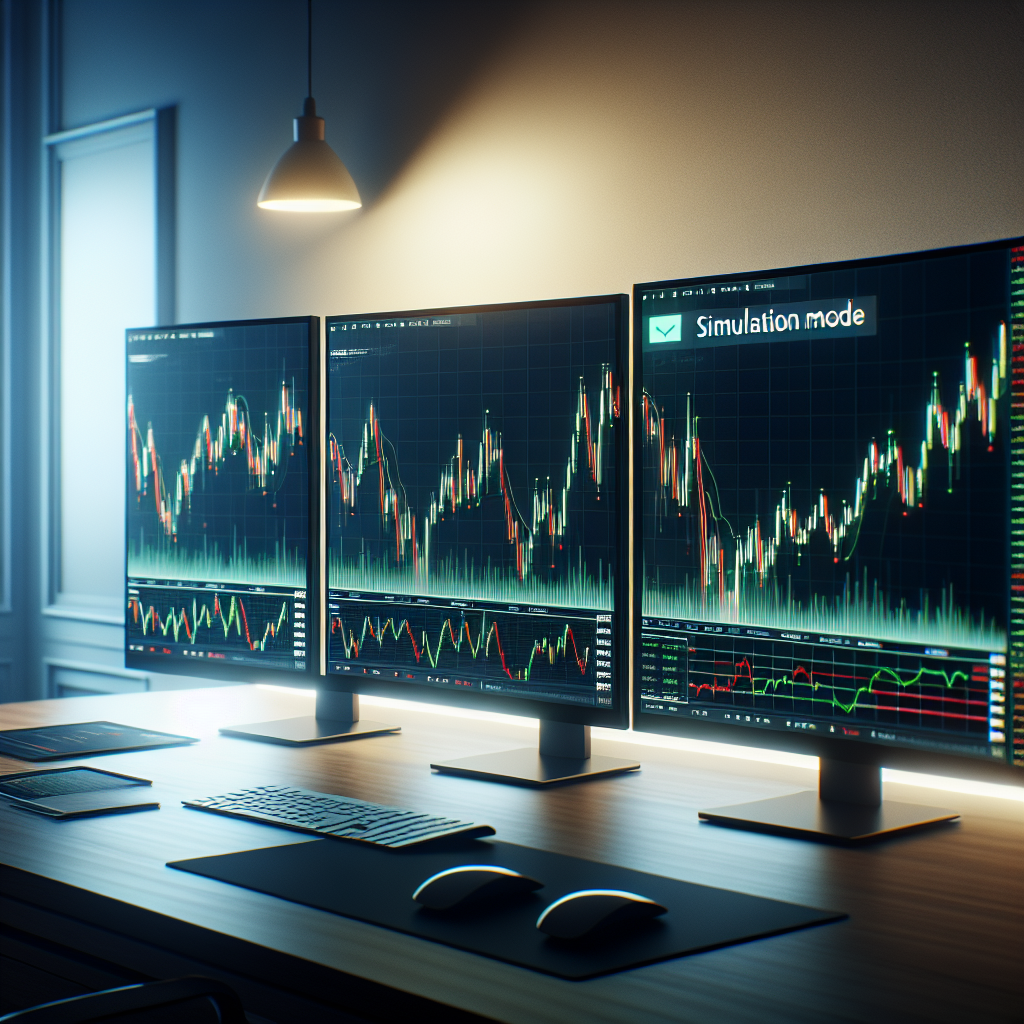
Understanding what is paper trading is essential for traders seeking consistent results. Entering financial markets requires preparation, education, and practice before risking capital. For aspiring traders, the journey begins with simulation mirroring live market mechanics without financial danger. This method helps individuals understand market movements and platform functionalities while developing a strategy. Paper trading simulates real-world conditions using virtual funds. It is the training ground for investors and day traders testing theories against data streams. By utilizing this proprietary futures trading firm, traders can transition practiced skills into a professional environment.
What is Paper Trading? Why Beginners Start Here
Paper trading creates a safe environment to learn buying and selling without risking savings. It serves as a rehearsal for live markets, allowing users to interact with charts and orders. When you explore scalable funded accounts, you will see successful traders often spend months refining skills in a simulator before attempting to qualify for real capital. The goal is understanding software mechanics and asset behavior, not just making virtual profits. A robust simulation provides the same data feeds as real traders, which is essential for learning.
The primary difference is the absence of emotional pressure when money is not on the line. In a simulator, traders often hold losing positions hoping they return to profitability, a habit that drains live accounts quickly when real cash is at risk.
How Trading Practice Builds Confidence
Consistent practice in a risk-free environment builds muscle memory regarding platform execution and strategy recognition. By executing a specific setup fifty to one hundred times, the hesitation normally associated with pulling the trigger diminishes significantly.
How Paper Trading Works Step-By-Step
Paper trading mechanics replicate a brokerage account experience. The process begins with selecting software with simulation capabilities and connecting a data feed. Users receive a hypothetical balance, adjustable to mimic intended real capital. As you develop a clear trading approach, treating the simulator seriously yields the best results. The software tracks entries and exits, calculating P&L based on real-time moves. This digital rehearsal space tests complex order types like bracket orders and stop-losses.
Set Up a Trade Simulator Account
First, choose a platform or broker offering paper trading and register for an account. Ensure you select a data provider like Rithmic or CQG if practicing futures to guarantee the price feed matches live exchange data.
Place Your First Paper Trade
After analyzing the market and identifying an opportunity, open the order entry window to set up the trade. Select the specific contract expiry and decide whether to use a limit order for precision or a market order for immediate entry.
Track Results Inside a Trader Simulator
Monitoring outcomes is crucial; traders should regularly review their trade history tabs. Most platforms allow users to export daily transaction logs to a spreadsheet for deeper analysis of profit factors and average hold times. Look specifically for patterns where the average losing trade exceeds the average winning trade, as this indicates a risk management issue that requires adjustment before live trading.

Best Tools and Platforms for Paper Trading
Selecting the right environment influences development speed. Options range from mobile apps to institutional desktop software. When adhering to structured risk parameters, practice on your intended live platform. This reduces learning friction. High-quality platforms offer advanced charting, indicators, and historical replay. Some platforms are standalone; others integrate into brokerage accounts.
What is the Best Free Paper Trading Platform?
Many beginners start with free web-based charting platforms offering simulation without deposits. Popular services allow users to practice on historical data or delayed feeds directly from a browser without installing complex software.
Popular Paper Trading Apps
Mobile apps allow traders to practice strategies from anywhere with an internet connection.
Desktop and Browser Simulation Trading Platforms
Professional desktop platforms offer robust processing power for complex indicators and multi-chart layouts.
How to Paper Trade Like a Real Trader
A major pitfall in simulation is the lack of emotional consequence, leading to bad habits like over-leveraging. To counter this, traders must enforce discipline and treat the digital account like real cash. By utilizing preferred trading platforms, a trader mimics a professional workflow: pre-market analysis and adhering to a plan. If treated like a video game, skills won't translate to live markets. Successful paper trading requires consequences for poor performance, such as stopping for the day if a loss limit is hit. Record every trade in a journal, noting entry reasons and emotions.
Create a Realistic Trading Practice Routine
Establishing a consistent routine is vital for treating paper trading seriously.
Use Risk Management Rules for Paper Trades
Applying strict risk management in a simulator ensures adherence when real money is at stake.
How to Paper Trade Futures Without Financial Risk
Futures trading involves leverage, making simulation necessary. Unlike stocks, futures contracts have expiration dates and tick values requiring intimate understanding. Simulators help traders grasp contract rollovers and volatility. According to Investopedia, paper trading is vital in derivatives due to instrument complexity. It provides a sandbox to test leverage without margin call threats. Futures prices move with velocity during news releases. A simulator allows traders to experience this speed and reaction time safely. It is the perfect place to learn products like the E-mini S&P 500 or Crude Oil. By dedicating time to paper trading futures, traders avoid catastrophic losses.
Use a Futures Trading Simulator to Learn Contracts
Futures contracts are standardized agreements representing a specific amount of an underlying asset.
Understand Contract Specs and Margin Requirements
Contracts have intraday and overnight margin requirements dictating capital needed to hold positions.
Practice Executing Entries and Exits in Fast Markets
Futures markets are known for liquidity and speed, making execution challenging for beginners.
How Long Can You Use Demo Accounts?
It is important to utilize this time effectively to gather strategy data. Traders often ask how long to stay in a simulator. The answer is until achieving consistent profitability over a significant number of trades. Rushing often leads to real losses, while staying too long can create fear of live trading. Use the demo period to prove concepts, refine execution, and build confidence.
How to Make Limited Demo Time Count
With time-limited demos, create an intensive schedule to maximize learning.
Benefits and Limitations of Paper Trading
Paper trading offers a zero-risk educational path for understanding complex systems. It allows testing automated strategies and platform stability. However, it lacks emotional engagement; losing virtual money doesn't trigger the "fight or flight" response. Additionally, simulators often provide "perfect" fills unrealistic in live markets. Paper trading cannot replicate liquidity pockets during major news. A large order might fill instantly in simulation but move the price in reality. Despite drawbacks, learning technical analysis and platform mechanics outweighs negatives. As noted by the https://www.cmegroup.com/education/courses/introduction-to-futures/paper-trading, paper trading is essential for preparation, though not a perfect replica.
Skills You Can Master With Trading Practice
Traders can master technical analysis, chart reading, and support/resistance identification.
What Paper Trading Does Not Teach
It cannot teach psychological reactions to fluctuating rent money in open positions.
Why Emotional Control Changes in Real Trading
With real money at risk, logic often fights emotion, leading to irrational decisions.

Choosing the Right Platform for Practice
Platform selection depends on goals and budget. Some suit long-term investors; others focus on day trading price action. Accurate real-time data is essential for day trading practice. The interface should be intuitive yet offer necessary analytical tools. Consider platforms allowing "market replay" to practice on historical data, speeding up learning. Detailed performance reporting is also valuable. Ultimately, use the platform intended for live trading to ensure a smooth transition.
Trade Simulator vs Broker Demo
A simulator is often standalone software for practice, while a broker demo mirrors the live environment.
Common Paper Trading Mistakes to Avoid
Bad habits in simulation can be disastrous in live trading. Treating simulation like a video game leads to high-risk trades never considered with real money. Ignoring commissions and fees is another error; strategies must be profitable after costs. Paper trading is for professional development, not entertainment. Traders often fail to stick to a plan, executing random trades. Resetting accounts after blowups without analysis prevents learning. To benefit, act with the prudence of a professional fund manager.
Unrealistic Position Sizing in Paper Trades
Traders often take positions larger than actual capital allows because money is virtual.
Treating a Simulation Account Like a Game
Without loss pain, it's easy to gamble on high-risk events like earnings.
Skipping Strategy Reviews
Many focus solely on trading and neglect the review process.
Final Words on Paper Trading
Mastering markets takes time; simulation builds endurance. By understanding paper trading, aspirants test theories and build confidence without financial ruin. While it cannot replicate live trading's emotional intensity, it is indispensable for technical development. Treat simulation with respect to lay the foundation for a sustainable career.